Turn a Boring Level Into an Adventure: How to Enjoy a Geometry Jump in Geometry Dash
Introduction
If you’ve ever hit a rhythm in a game and felt like your timing mattered, you’ve already experienced the magic of a “geometry jump.” In simple terms, it’s when gameplay centers on jumping, landing, and moving through spaces shaped by geometry—platforms, spikes, portals, slopes, and gravity changes—often in time with a beat.
One great example is “Geometry Dash”. The core idea is friendly and welcoming: you don’t just react—you learn a pattern, build confidence, and keep improving one jump at a time. Whether you’re brand new or coming back after a break, you can make every attempt feel meaningful.
Gameplay: What “Geometry Jump” Feels Like in Practice
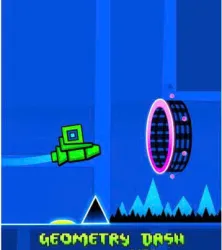
In Geometry Dash, a “geometry jump” is usually a moment where you’re moving between hazards and safe zones while gravity or movement changes demand quick decisions. Here’s a typical flow you’ll notice:
- You enter the first rhythm
The level starts, and you’re immediately asked to do something simple: jump over a small danger, land on a platform, or tap to activate a mode shift (like changing jump timing). Early sections teach you how the level “speaks”—its pacing, spacing, and difficulty curve. - You learn that timing beats speed
Many players assume difficulty is just reflexes. But in Geometry Dash, consistency matters more. If you can hit the same jump beat reliably, your progress becomes steady instead of chaotic. - You handle “micro-decisions”
Geometry-heavy sections often include very short windows: jump a little earlier, or wait a fraction longer before tapping. These aren’t big, dramatic moves—they’re small adjustments you repeat until they feel natural. - You master transitions
A geometry jump isn’t only the jump itself. It’s the lead-in and landing. For example: - jump → land → immediately jump again
- click timing changes when gravity flips
- moving platforms require you to anticipate spacing, not just react
- You build a “route” in your mind
After a few attempts, you stop seeing everything as random obstacles. You start labeling parts: “This spike stack is two taps after the coin,” or “This gap always lines up with the next beat.” That route-building is what turns frustration into learning.
Tips: How to Practice Without Getting Stuck
Here are practical, beginner-friendly ways to improve your geometry-jump experience while keeping it enjoyable.
1. Start with smaller goals
Instead of “beat the whole level,” try:
- clear the first 20%
- get past one specific hazard section
- practice one jump sequence until you get it 10 times in a row
You’ll feel progress faster, and you won’t burn out as quickly.
2. Watch the level like a story
Before you play seriously, run the level once just to observe. Notice:
- where the beat changes
- where jumps occur most often
- where you die repeatedly
This turns the level into something you can understand, not just something you must survive.
3. Use repetition strategically
Repetition is normal in Geometry Dash, but it works best when you repeat with intent. If you keep dying at the same spot, focus only on that segment. Even a couple of minutes of concentrated practice can make a huge difference.
4. Adjust one thing at a time
If you’re failing a jump, don’t immediately spam different timings wildly. Try:
- one attempt “a bit earlier”
- next attempt “a bit later”
- keep the changes small
Micro-adjustments help you discover the exact feel the level wants from you.
5. Don’t punish yourself for mistakes
It’s easy to get frustrated when you’re close. A healthier approach: treat each attempt like data. Every death tells you something—whether it’s a timing cue, a misread platform length, or a jump you thought you needed but didn’t.
6. Take breaks that reset your hands
If your timing starts to feel messy, a short break helps more than you’d expect. Stand up, breathe, and come back when you feel fresh. Smooth timing often returns once your brain stops “staring through” obstacles.
Conclusion: Make Every Jump Worth It
A geometry jump is at its best when it feels like you’re collaborating with the level—reading its rhythm, learning its patterns, and improving gradually. In Geometry Dash, that experience becomes especially satisfying because every jump is tied to structure: the beat, the spacing, and the way obstacles line up with your actions.
So whether you’re practicing a tiny hop over a sharp spike or trying to nail a longer sequence with gravity changes, remember: progress doesn’t require perfection. It requires patience, small goals, and the willingness to learn from each attempt.
If you want to explore the wider community around Geometry Dash. Most importantly, take your time—then enjoy the moment your timing finally clicks.