Montessori Toys vs Ordinary Toys – Parent Comparisons
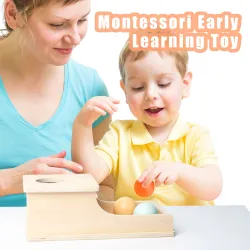
When choosing toys for young children, parents often compare Montessori toys with ordinary options. While both can entertain, Montessori toys are specifically designed to support child development, promote independence, and encourage problem-solving and creativity. Many families notice a clear difference in engagement, focus, and learning outcomes.
One parent shared how KuKoo Montessori toys for independent learning encouraged her toddler to explore new activities on his own. Ordinary toys often lost his interest quickly, but the Montessori toys held his attention while developing skills such as stacking, sorting, and concentration.

Enhancing Cognitive Development
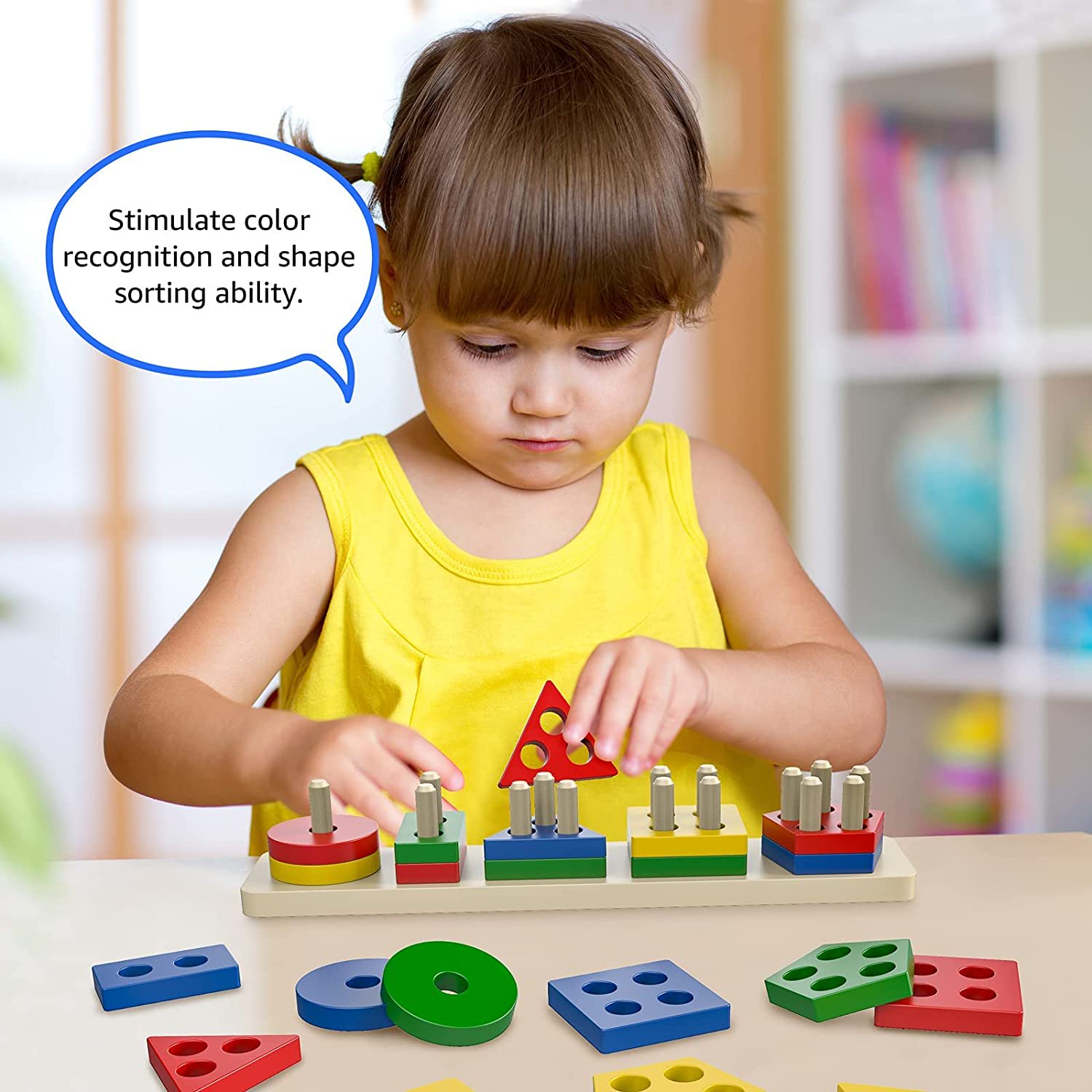
Montessori toys help children think critically and solve problems from a young age. Through puzzles, shape sorting, and matching games, children develop early literacy, numeracy, and sequencing skills. Parents often remark that Montessori learning activities at home allow their children to learn independently and confidently, unlike ordinary toys, which may not offer structured learning opportunities.
By engaging with materials designed for exploration, children naturally experiment, test solutions, and gain a sense of accomplishment when they succeed.
Building Practical and Motor Skills
Physical development is another area where Montessori toys shine. Toys like lacing cards, stacking blocks, and bead mazes help children refine fine motor skills and hand-eye coordination. Parents report that Montessori skill-building toys give children confidence in handling objects and performing everyday tasks, while ordinary toys often fail to provide purposeful challenges.
Repeated, focused interaction with these materials not only strengthens dexterity but also teaches patience and perseverance—key life skills embedded in playful activities.
Encouraging Creativity and Engagement
Montessori toys also foster creativity and imaginative thinking. Children are encouraged to design patterns, build structures, and explore materials in open-ended ways. Many parents notice that Montessori creativity and problem-solving tools keep children engaged longer and inspire them to explore new ideas, compared to ordinary toys that may only entertain for short periods.
This type of play nurtures independent thought, self-expression, and problem-solving, while parents can enjoy observing and guiding without imposing structure.
Social and Cooperative Skills
Montessori play supports social-emotional development through cooperative activities, sharing, and role-based games. Parents often observe children learning to take turns, collaborate, and help each other complete tasks. Experiences shared online show that Montessori social and cooperative play ideas improve empathy, communication, and teamwork, offering long-term benefits that extend beyond playtime.
These interactions prepare children for school and life, helping them navigate group dynamics with confidence and kindness.
Conclusion
Montessori toys provide more than simple entertainment—they are powerful tools for learning and development. Compared to ordinary toys, they encourage creativity, independence, problem-solving, and social skills, all while creating meaningful family experiences. Parents consistently report that KuKoo Montessori toys inspire curiosity, focus, and joy, laying a strong foundation for lifelong learning.